Labconscious®

Connecting biologists to green labs and sustainability
  • Home
  • Blog
  • Green Lab Tips
  • Lab sustainability training game
  • Resources
    • Laboratory Recycling
    • Guidance on best practices
    • Green Chemistry
    • Supportive Data, Guides and Tools to Optimize Laboratory Energy Consumption
    • Grants and Funding
    • Laboratory equipment and supplies reuse
  • Green Lab Groups
  • Green Lab Supplies and Laboratory Equipment Guide
  • Home
  • Blog
  • Green Lab Tips
  • Lab sustainability training game
    • Laboratory Recycling
    • Guidance on best practices
    • Green Chemistry
    • Supportive Data, Guides and Tools to Optimize Laboratory Energy Consumption
    • Grants and Funding
    • Laboratory equipment and supplies reuse
  • Green Lab Groups
  • Green Lab Supplies and Laboratory Equipment Guide

Blog

A sustainability blog for biologists whose goal is to reduce laboratory waste, use green chemistry, and improve efficiency. Green labs thrive!

  • All
  • Biotechnology
  • Campus Sustainability
  • Cell Culture
  • Cold storage
  • Energy and Emissions
  • Ewaste
  • Fieldwork
  • Funding
  • Green Biotech
  • Green Chemistry
  • Green Lab Certifications
  • Green Lab Tips
  • Green Procurement
  • Green Science Buildings
  • Greening Champions
  • Greening Lab Materials
  • Lab Certification
  • Lab Safety
  • Lab Supplies
  • Lab Supply Chain
  • Laboratory Equipment
  • Microbiology
  • Model Organisms
  • Molecular Biology Waste
  • Natural Conservation
  • Nature Conservation
  • Pipette Tip Waste
  • Plastics
  • Programs and Logistics
  • Recycling
  • Reuse
  • Robotics
  • Scientific Communications
  • Sustainable Lab News
  • Sustainable Living
  • Synthetic Biology
  • Technology
  • Travel
  • Waste Audits
  • Water
Surplus lab reagents

Sustainability in Scientific Labs: What Happens to Unused Materials?

Matej Metkovic, CEO and Founder of Wasteless Bio March 5, 2026

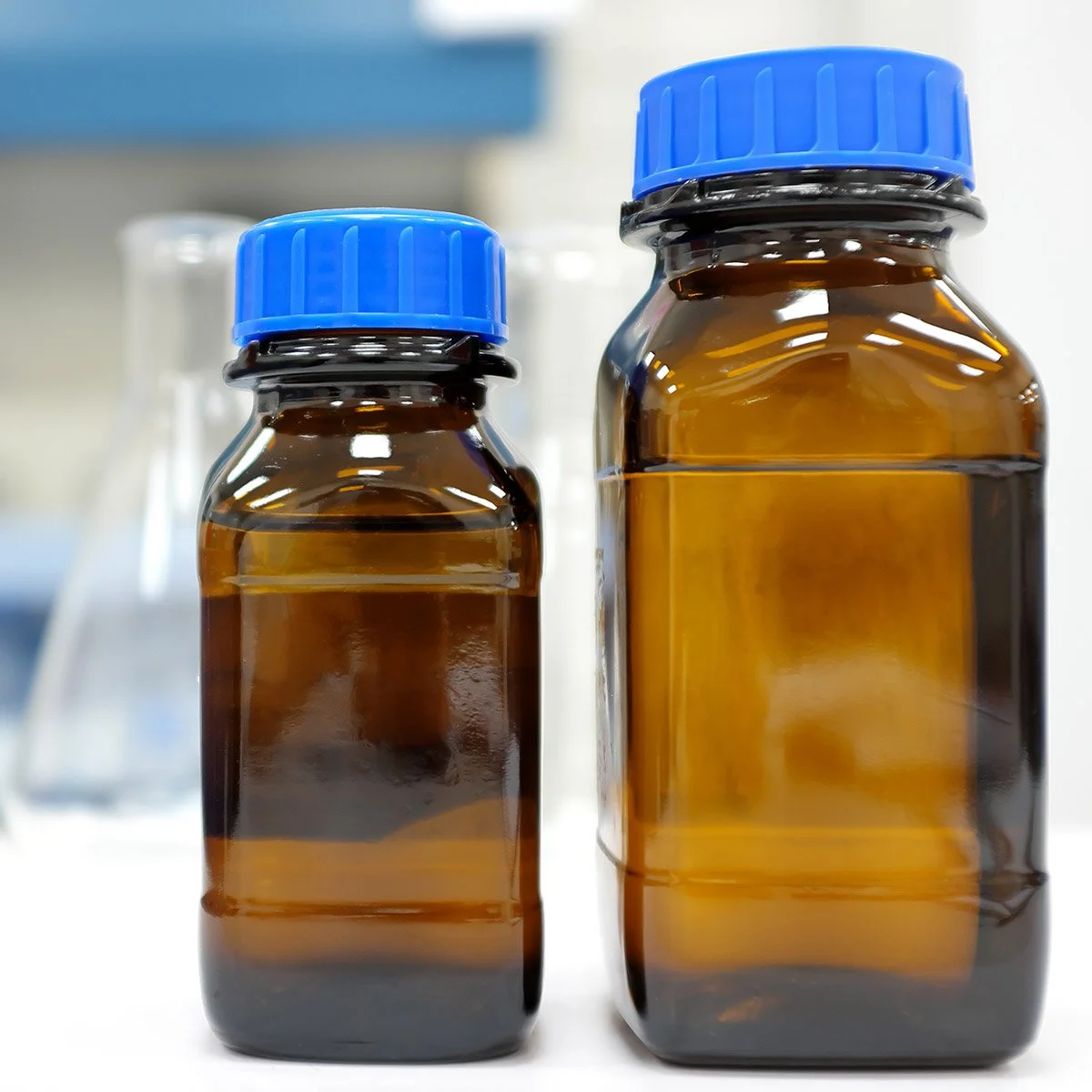
Scientific laboratories prioritize safety, accuracy, and oftentimes, regulatory compliance.  Meeting these essential priorities creates an unintended consequence: a large amount of unused, unopened laboratory material quietly becomes waste.

This widespread issue calls for an easy-to-use system to put lab surplus back into research use, with significant cost savings. This enables laboratories to do more with less while reducing scientific waste. This is the mission of the Wasteless Bio platform.
Wasteless Bio logo
 
Visit the platform

In many labs, reagents, consumables, and even equipment are ordered “just in case” to avoid delays, supply-chain risks, or experimental downtime. Over time, projects change, grants end, teams move on, and protocols evolve. What’s often left behind are perfectly usable materials that no longer fit the lab’s immediate needs.

For most laboratories, there is no practical or compliant way to deal with this surplus. The default option becomes disposal, often at a cost, even when products are unopened and within date. This isn’t due to carelessness. It’s the result of systems built for risk avoidance rather than reuse.


The operational blind spot

Sustainability initiatives in labs have made real progress around energy use, plastic reduction, and behavioural change. However, operational waste – unused materials that are neither expired nor contaminated is still largely overlooked.

From a biologist’s perspective, this waste is frustrating. Many labs operate under tight budgets, while valuable materials are discarded elsewhere simply because there is no structured way to pass them on. The knowledge that “someone else could use this” exists, but the pathway does not.


Turning waste into a resource

This is the gap that marketplace Wasteless Bio was created to address. The idea is simple: provide a transparent, traceable way for laboratories to redistribute surplus materials once they are no longer needed internally.

This happens outside of active lab workflows. Sellers list unused inventory that would otherwise be disposed of, clearly labelled with status and context. Buyers, often early-stage labs, academic groups, or resource-constrained teams, gain access to essential materials at significantly lower cost.

The result is practical sustainability. Waste is reduced at the source, disposal costs are avoided, and other labs are able to stretch their budgets further without compromising safety. There are labs that run on secondhand due to a lack of resources and with minimal scope 3 emission savings, which primarily come from the supply chain.


Why this matters for scientists

For biologists, sustainability can sometimes feel abstract or disconnected from day-to-day work. But reducing operational waste is one of the few sustainability actions that:

  • Does not interfere with experimental design

  • Does not increase administrative burden

  • Directly benefits other researchers

It reframes sustainability not as sacrifice, but as a better use of existing resources.

As funding pressures increase and sustainability expectations rise, solutions that align environmental responsibility with scientific practicality will become increasingly important. Operational reuse is one of the most immediate opportunities labs have to make a meaningful impact, and Wasteless Bio is enabling it. Science shouldn’t come at the cost of the environment.

Please contact us to inquire about university partnerships


LEARN aBOUT mORE sUSTAINABILITY tRENDS iN lIFE sCIENCE
Featured
Sustainability in Scientific Labs: What Happens to Unused Materials?
Mar 5, 2026
Sustainability in Scientific Labs: What Happens to Unused Materials?
Mar 5, 2026

Scientific laboratories prioritize safety, accuracy, and oftentimes, regulatory compliance.  Meeting these essential priorities creates an unintended consequence: a large amount of unused, unopened laboratory material quietly becomes waste. This widespread issue calls for an easy-to-use system to put lab surplus back into research use, with significant cost savings. This enables laboratories to do more with less while reducing scientific waste. This is the mission of the Wasteless Bio platform.

Read More →
Mar 5, 2026
Can Ensilication Break Biomolecules Free from the Cold Chain?
Feb 4, 2026
Can Ensilication Break Biomolecules Free from the Cold Chain?
Feb 4, 2026

Ensilication can flip the script on nature by making biomolecule stocks thermostable, including complex biologics that are not amenable to lyophilization. Eliminating cold storage and transport requirements would boost sustainability for biomedical cold chains, biobanking and labs. Recent advances have made it an exciting new option in the life sciences.

Read More →
Feb 4, 2026
Lab Automation and Integrated Platforms
Oct 28, 2025
Lab Automation and Integrated Platforms
Oct 28, 2025

Get an insider’s look at how research and clinical diagnostics are expanded by integrating software, data and robotics, as well as the opportunities “to dial” in workflows for cost and carbon savings.

Read More →
Oct 28, 2025
InGreen Procurement, Lab Supplies, Laboratory Equipment TagsWasteless Bio
  • Blog
  • Older
  • Newer

Get insights on specific green Lab goals


Join us!

Get monthly articles and green lab tips to your inbox.

Thank you for signing up for monthly articles and green lab tips!


Interact with the Labconscious community


Email us!

How do you make your biology lab more sustainable?


linkedin-unauthyoutube-unauthx-formerly-twitter-unauthbluesky-unauth
  • Terms of Use
  • Privacy Policy
  • About
  • Contact
  • Cookie Policy
 
New England Biolabs
 

240 County Road
Ipswich, MA 01938-2723

Labconscious® is a registered trademark of New England Biolabs, Inc.

© Copyright 2026 New England Biolabs. All Rights Reserved.

Labconscious®

Connecting biologists to green labs and sustainability

Labconscious is an open resource for biologists to support sustainability and green laboratory work to reduce the environmental footprint of bench science.

New England Biolabs | 240 County Road, Ipswich, United States

linkedin-unauthyoutube-unauthx-formerly-twitter-unauthbluesky-unauth