Green Chemistry Resources for Biologists
Biologists can choose greener methods that are as reliable as conventional methods while also improving lab safety, reducing pollution and limiting the costs of hazardous waste treatment in lab operations. This is a list of useful green chemistry resources. If there is a resource we missed, feel free to let us know! Email info@labconscious.com
Substitution Support Portal information to support efforts to substitute hazardous substances.
Guide for Green Chemistry Experiments for Undergraduate Organic Chemistry Labs by My Green Lab, Beyond Benign and Millipore Sigma
Millipore-Sigma DOZN Tool software to evaluate experiment chemical reactions
Beyond Benign - Provides educators with the tools, training and support to make green chemistry an integral part of chemistry education
Consider incorporating Greener Chemistry Methods into Your Lab Work
These articles feature green chemistry topics related to biological research. Green chemistry is valuable in academia and in the biotech and biopharma industries, where processes that use safer alternatives can amplify sustainability improvements at scale.
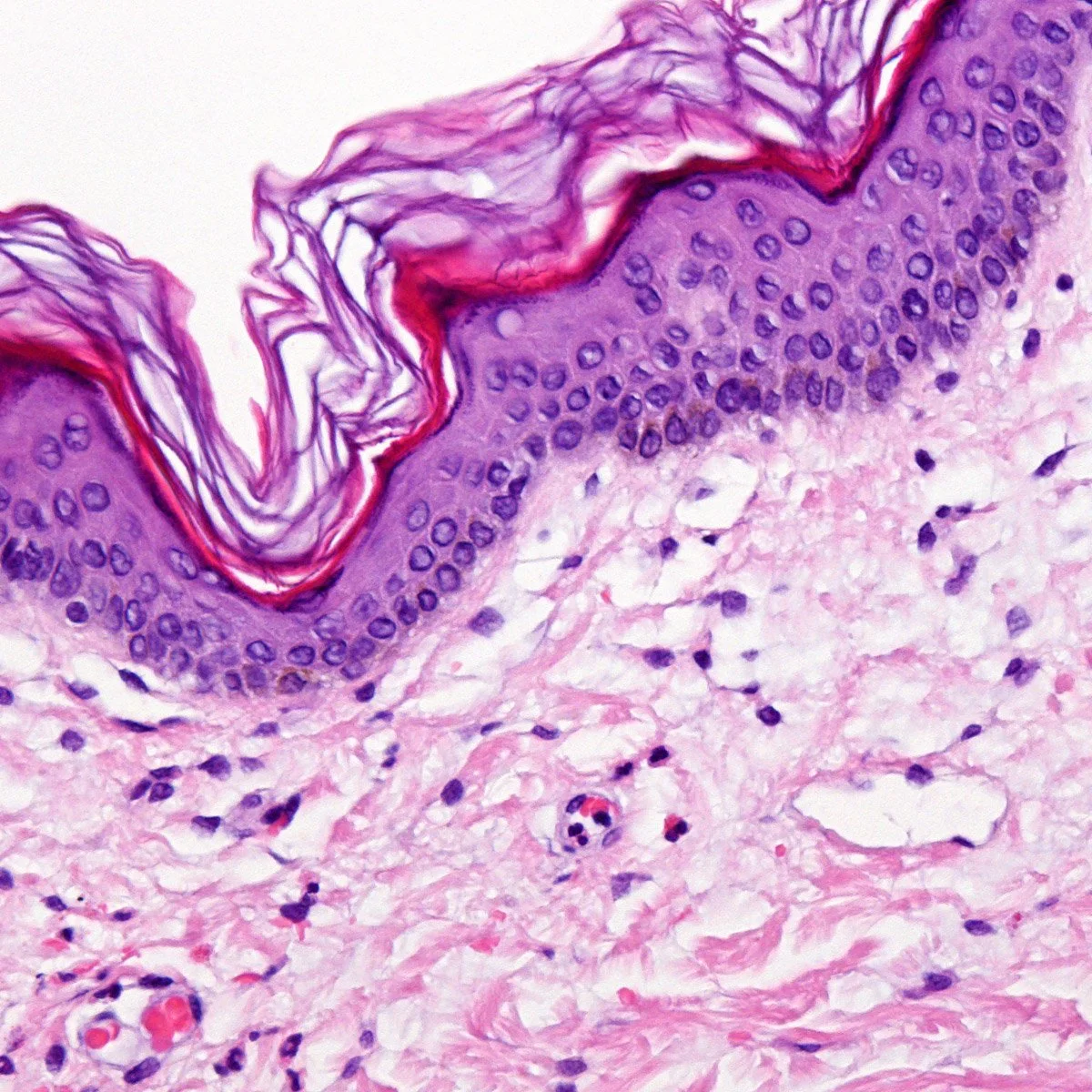
Formaldehyde fixation may be the gold standard for preserving cells and tissues but alcohol-based fixation can deliver improved results in many biomolecular techniques - with the benefit of safer, greener chemistry.
Is there such a thing as eco-friendly laboratory agarose? When you consider the chemistry involved in the manufacture of this laboratory staple the answer is yes!
Biologists have a heightened awareness of surface contamination and a preference for eco-friendly decontamination methods. It’s more important than ever to connect that awareness to effective lab practices. Learn how ineffective disinfection can increase both contamination and ecological risks.
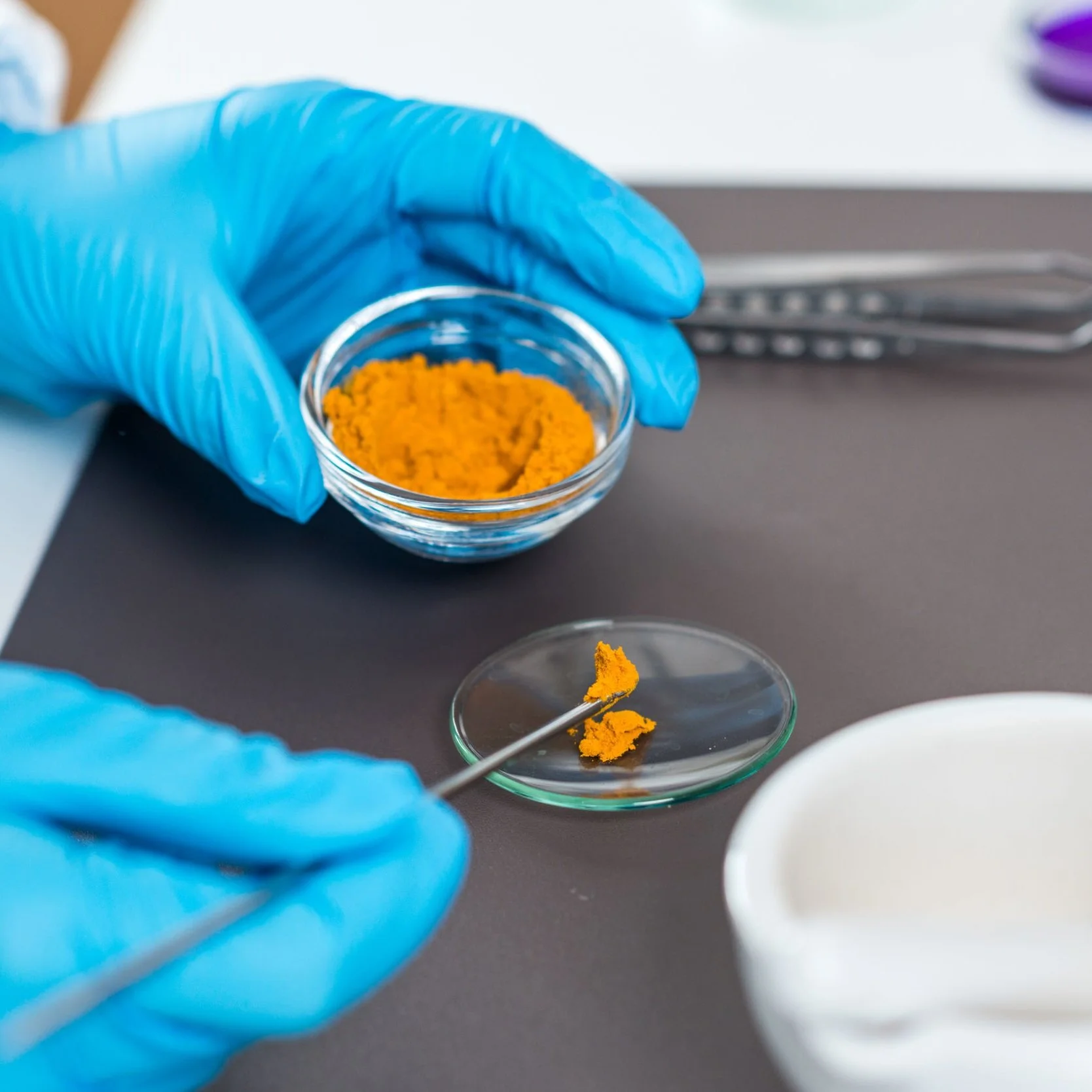
The vibrant color of turmeric has made it useful since ancient times as a cooking spice and clothing dye. There has been much interest in researching it’s potential as a disease therapy. This research focus has prompted labs to apply this low cost, non-toxic substance to tissue staining (1) and bioimaging (2) studies. While turmeric has not been certified by the Biological Stain Commission just yet, studies have demonstrated some good potential to replace synthetic dyes.
Quality control expert inspecting at curcuma in the laboratory
Coomassie blue protein gel staining began in the 1960s, and it’s still a fan favorite in biology labs today. While less sensitive as a colormetric method than silver, or fluorescent staining, Coomassie has undergone a significant revolution in recent years. This post presents a few handy tips for this essential life science pigment.
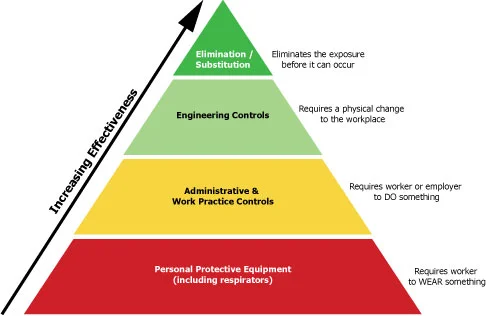
Green chemistry is a solution oriented approach to lab safety with economic benefits. In today's green labs tip I would like to refer you to the OSHA Transitioning to Safer Chemicals Toolkit that highlights how efforts to substitute hazardous chemicals with green chemistry is the most effective way to promote laboratory safety.
Ensilication can flip the script on nature by making biomolecule stocks thermostable, including complex biologics that are not amenable to lyophilization. Eliminating cold storage and transport requirements would boost sustainability for biomedical cold chains, biobanking and labs. Recent advances have made it an exciting new option in the life sciences.
Pragmatic leadership fosters sustainability in this Caltech research lab - opening eyes to a green solvent switch.
Improved efficacies have led to a surge of interest in peptide drugs, classified by the U.S. FDA as biologics. As peptide drug discoveries proliferate, rather than allowing un-sustainable production methods turn the field into a victim of its own success, researchers aim to enhance peptide manufacturing. The bar set for sustainable peptide manufacturing requires it to be faster, cheaper, and more environmentally friendly than conventional methods.
Labs that require the regular use of rooms to decontaminate employees know how much of a misnomer the term “cleanroom” can be. Sure, these areas prevent allergens and pollutants from affecting the workplace and potential consumers, but one look at the energy costs of operating such an area reveals an ironic truth: running a cleanroom can be a dirty business.
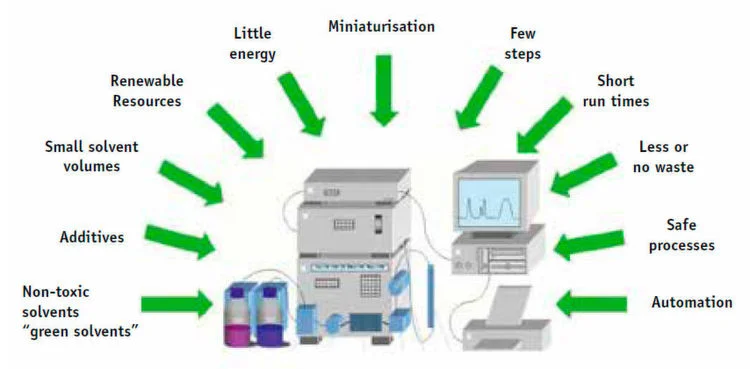
Subjects, such as resource optimization or better energy usage, have arrived in the laboratory. What does this mean for the most important separation method, chromatography? An inventory shows the amount of optimization potential in the technology that is more than 100 years old.
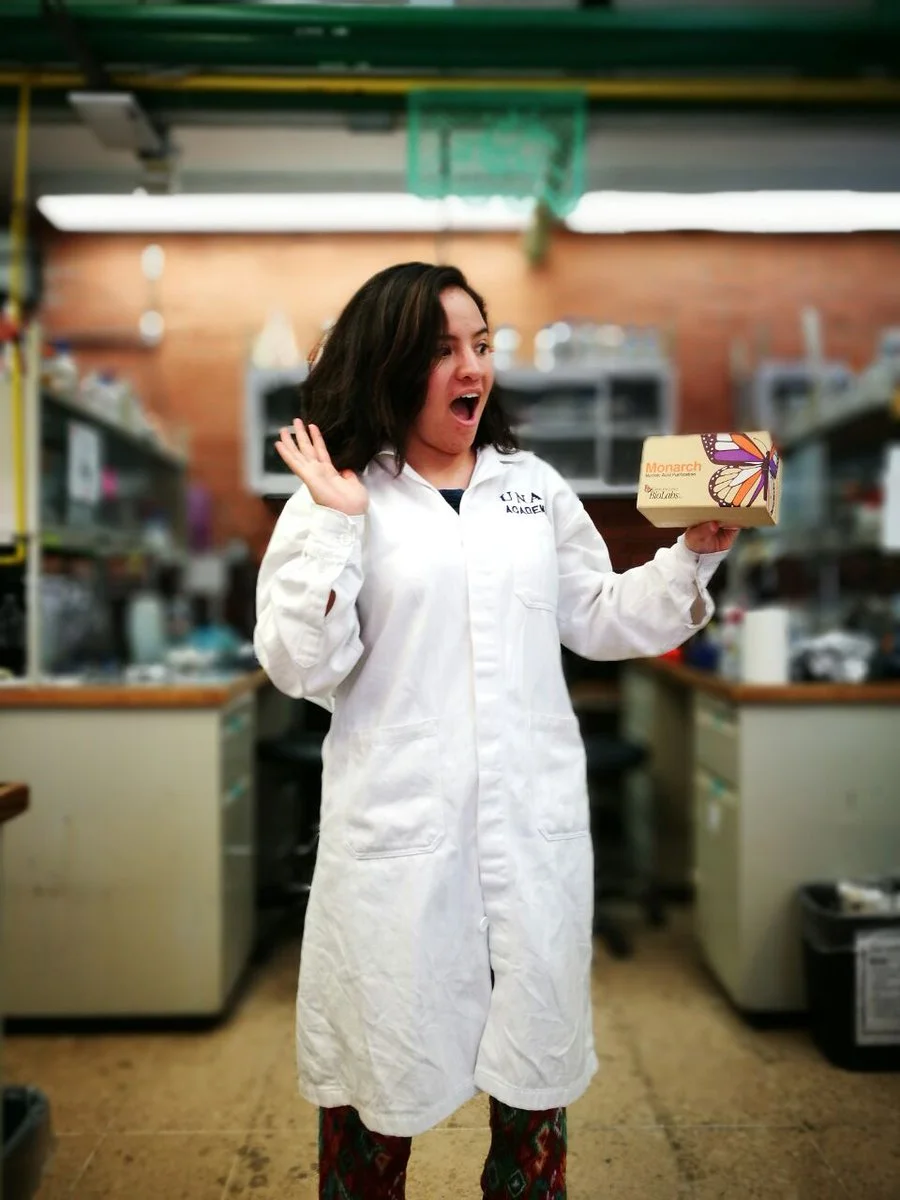
Molecular biologists appreciate how the sustainably sourced, DNA purification Monarch kits produce optimal results
How should the US Microbead-Free Waters act affect our thinking about the proper disposal of microspheres as lab waste? Learn how biotechnology companies are using the bioplastic PHA with good results and further developing its use for other lab applications.
Read about KINFix a formalin-free fixative that is optimized for histological, immunohistochemical and molecular analyses of neurosurgical tissue specimens. KINFix is a non-hazardous replacement for formalin with "green lab" attributes. Perhaps your lab work can benefit from switching?
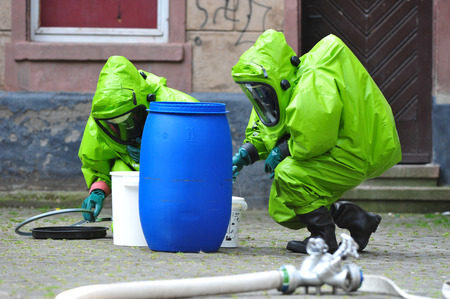
U.S. Laboratories with expertise in biology, chemistry or radiation should consider signing up to help first responders in environmental emergencies. Learn more about the ERLN in this post!
So you want to use 'green' plastic labware, but news headlines about a UN environmental report has you perplexed… 'Biodegradable' Plastics Are A Big Fat Lie. Well, don't worry! Plastic labware can still be a good sustainability option
The authors of a new Nature Chemistry commentary have introduced the idea of “One-world Chemistry” to transform Chemistry into a science of sustainability.
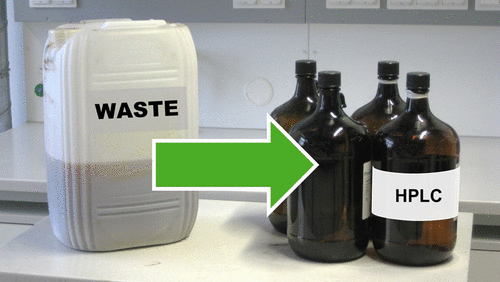
Do you use solvent kegs to cut down on waste in the lab? Did you know that most of these kegs - even filled with volatiles - are recyclable? Read more and learn how to even further reduce your lab's chemical footprint!


Dichloromethane is proof that in science, something can be both elegant in its chemistry and mildly guilt-inducing every time you open the bottle. Widely used in extraction workflows, dichloromethane (DCM) is a solvent with sought-after properties that also comes with growing sustainability and regulatory concerns….