Labconscious®

Connecting biologists to green labs and sustainability
  • Home
  • Blog
  • Green Lab Tips
  • Lab sustainability training game
  • Resources
    • Laboratory Recycling
    • Guidance on best practices
    • Green Chemistry
    • Supportive Data, Guides and Tools to Optimize Laboratory Energy Consumption
    • Grants and Funding
    • Laboratory equipment and supplies reuse
    • Play & Learn How to Minimize Laboratory Waste
  • Search our site
  • Green Lab Groups
  • Green Lab Supplies and Laboratory Equipment Guide
  • Home
  • Blog
  • Green Lab Tips
  • Lab sustainability training game
    • Laboratory Recycling
    • Guidance on best practices
    • Green Chemistry
    • Supportive Data, Guides and Tools to Optimize Laboratory Energy Consumption
    • Grants and Funding
    • Laboratory equipment and supplies reuse
    • Play & Learn How to Minimize Laboratory Waste
  • Search our site
  • Green Lab Groups
  • Green Lab Supplies and Laboratory Equipment Guide

Blog

A sustainability blog for biologists whose goal is to reduce laboratory waste, use green chemistry, and improve efficiency. Green labs thrive!

  • All
  • Biotechnology
  • Campus Sustainability
  • Cell Culture
  • Cold storage
  • Energy and Emissions
  • Ewaste
  • Fieldwork
  • Funding
  • Green Biotech
  • Green Chemistry
  • Green Lab Certifications
  • Green Lab Tips
  • Green Procurement
  • Green Science Buildings
  • Greening Champions
  • Greening Lab Materials
  • Lab Certification
  • Lab Safety
  • Lab Supplies
  • Lab Supply Chain
  • Laboratory Equipment
  • Microbiology
  • Model Organisms
  • Molecular Biology Waste
  • Natural Conservation
  • Nature Conservation
  • Pipette Tip Waste
  • Plastics
  • Programs and Logistics
  • Recycling
  • Reuse
  • Robotics
  • Scientific Communications
  • Sustainable Lab News
  • Sustainable Living
  • Synthetic Biology
  • Technology
  • Travel
  • Waste Audits
  • Water
Massbio sustainability.jpg

MassBio talks showcase that Massachusetts needs cooperation from biology labs to achieve sustainability

Nicole Kelesoglu May 21, 2019

We need to invite everyone in, to get traction together on lab sustainability -Elias Witman CST sustainability manager

The Bay State biotech hub can save a huge amount of energy

Scientists who incorporate lab sustainability into the culture of life science are doing the right thing for their communities. The Boston area is the proud home to an extraordinarily high number of biologists pushing the frontiers of science. In a sense it’s quite the contrast, The city is now nearly 400 years old! But, let’s just say that historical construction planners for greater Boston did not foresee supporting so many labs. Even today, many biologists do not realize that their lab is the key to the Bay State’s long term sustainability. Saving energy also happens to be a major competitive advantage for biotechnology companies.

Recently I attended an Earth Day themed event held at the MassBio® headquarters in Cambridge. The event showed how lab energy efficiency is achieved when scientists and sustainability professionals work together. The talks were organized by Elias Witman, the sustainability manager for the antibody company Cell Signaling Technology. MassBio® is a not-for-profit organization, founded in 1985, that represents and provides services and support for the world’s leading life sciences super cluster.

Lessons in sustainable labs from ARUP, BIOGEN and MIT Green Labs

Each speaker presented unique perspectives and achievements for lab sustainability. To get a sense of the local climate (pardon the pun!), you can read this interview with Elias Witman by MassBio here: Sustainability and Climate Change: “From the Boiler room to the Boardroom” Q&A with Elias Witman, Cell Signaling Technology. These talks made it clear that while biologists tend to be cognitively adept at assessing complex dynamic systems - they need support from sustainability professionals who have the knowledge to improve lab spaces.

Forbes #19 Biogen Pharmaceuticals & Biotech.png
Cell Signaling refers to the UN's Sustainable Development Goals for guidance in their long term environmental targets

Cell Signaling refers to the UN's Sustainable Development Goals for guidance in their long term environmental targets

“In addition to pursuing cutting edge scientific research and forging new discoveries, it is our duty as scientists to act as knowledgeable and vigilant stewards of the environment we live in.”

“In addition to pursuing cutting edge scientific research and forging new discoveries, it is our duty as scientists to act as knowledgeable and vigilant stewards of the environment we live in.”

Strikingly, the building firm ARUP showed data that buildings in Massachusetts are making huge demands on the electrical grid - especially lab facilities. Massachusetts is not on track to reach its goal to reduce green house gas emission by 2050. Buildings represent 2/3 of emissions ,with existing buildings contributing 85%! The next step Massachusetts’ will take is to require data to show lab building performance over time.

Biogen gave a talk that showed off their incredible lab facility retrofit projects. I can tell you that from seeing the results, It makes sense that Biogen was just listed as one of the top companies for the environment in Forbes Magazine. Importantly, the retrofit project was well organized to enable Biogen scientists to keep working in the labs.

MIT Green Labs coordinator, Jennifer Bellow, demonstrated how her office supports sustainability in MIT research labs. As a frame of reference, MIT has 490 individual principal investigators. Each of these PI’s labs have post docs, lab managers, technicians and grad students. Many of these individuals are transient, with ~2 year as a typical stint. MIT Green Labs has done some fantastic work to overcome sustainability challenges common to most academic labs. Most excitingly, they have pilot programmed an inexpensive device called the MASH alarm. MIT scientists welcomed this unobtrusive, effective energy saving device at their VAV hoods. Watch out for a Labconscious Green Lab Tip to help you put one of these in your lab soon!

This MassBio event was a great way to bring different kinds of professionals together on lab energy. Every researcher knows that communication is a key enabling factor in science. When life scientists collaborate, each contributes their specialized knowledge and experience to solve problems. And so it is with enabling sustainable laboratory work!
Featured
Is it Time to Dispose of Your Lab's Stock of Dichloromethane?
June 22, 2026
Green Chemistry, Greening lab materials, Reduce Hazardous Waste
Is it Time to Dispose of Your Lab's Stock of Dichloromethane?
June 22, 2026
Green Chemistry, Greening lab materials, Reduce Hazardous Waste

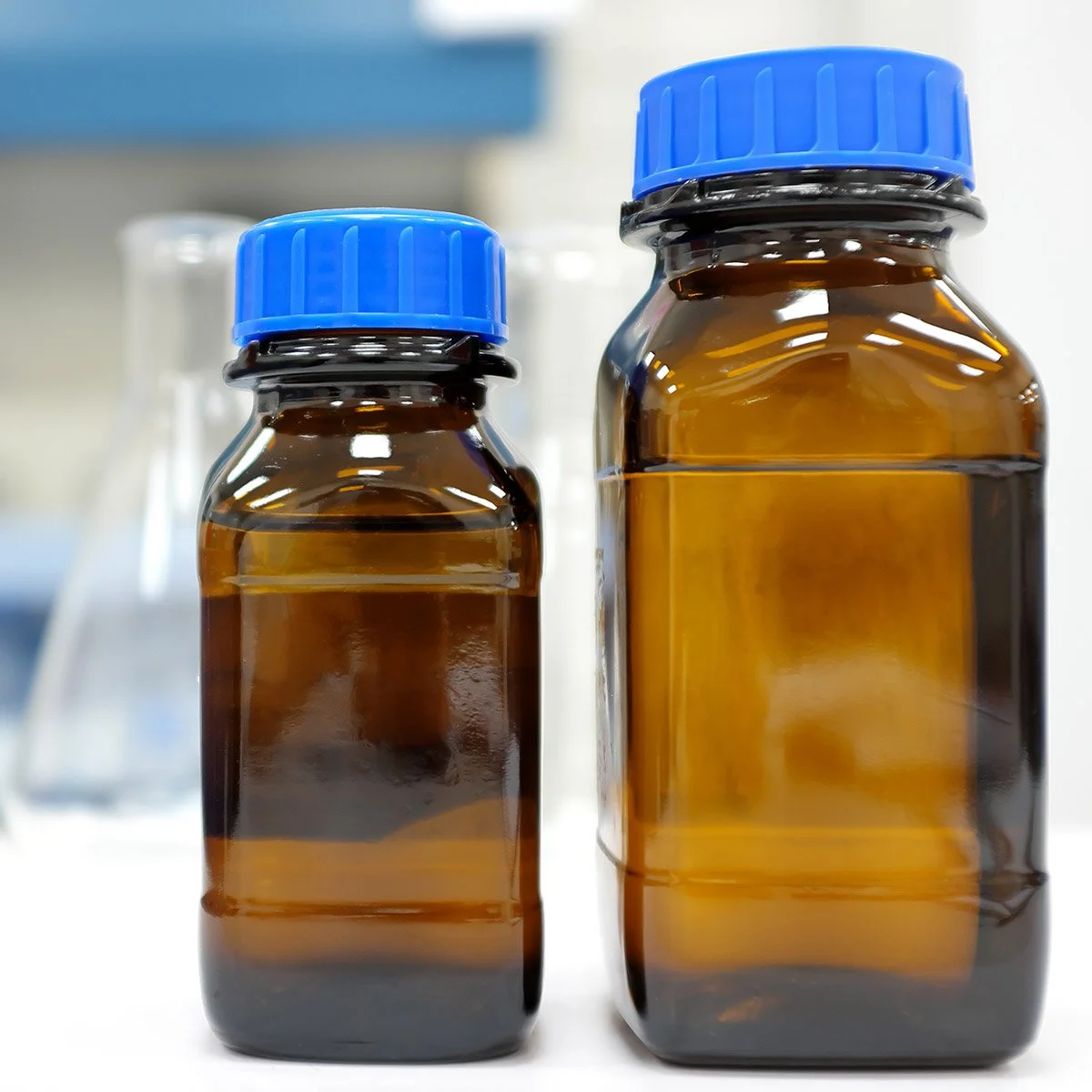
Dichloromethane is proof that in science, something can be both elegant in its chemistry and mildly guilt-inducing every time you open the bottle. Widely used in extraction workflows, dichloromethane (DCM) is a solvent with sought-after properties that also comes with growing sustainability and regulatory concerns….

Read more →
June 22, 2026
Green Chemistry, Greening lab materials, Reduce Hazardous Waste
USP Greenlights Endotoxin Testing Using Recombinants that could save 100,000 Horseshoe Crabs every Year and improve scientific quality
May 20, 2025
Green Lab Tips, Greening lab materials, Microbiology Tips
USP Greenlights Endotoxin Testing Using Recombinants that could save 100,000 Horseshoe Crabs every Year and improve scientific quality
May 20, 2025
Green Lab Tips, Greening lab materials, Microbiology Tips

This month, the U.S. Pharmacopeia (USP) officially permits recombinant reagents for bacterial endotoxin testing. If every lab using Limulus polyphemus-based reagents switched, it would prevent the deaths of around a hundred thousand horseshoe crabs each year. More likely, labs able to switch will reap the benefits of improved testing accuracy, and this will relieve pressure from our tenuous dependency on wildlife.

Read more →
May 20, 2025
Green Lab Tips, Greening lab materials, Microbiology Tips
Resources for Life Science Research Labs Based on Circular Economy
March 25, 2025
Reuse strategies, Supply Chain Tips
Resources for Life Science Research Labs Based on Circular Economy
March 25, 2025
Reuse strategies, Supply Chain Tips

Even though it’s not possible to predict where the science will lead, we can promise that life science discoveries will serve humankind well into the future. Circularization strategies economize science and responsibly limit our impact on nature. This green lab tip highlights a few resources for free lab materials and equipment. Let’s keep life science research and education going strong!

Read more →
March 25, 2025
Reuse strategies, Supply Chain Tips
Planning a Green Fair for Biologists
September 9, 2024
Teamwork
Planning a Green Fair for Biologists
September 9, 2024
Teamwork

Most biologists welcome opportunities to learn about environmentalism. A green fair is a great way to increase awareness and commitment to environmental justice and sustainability in life science work. Let’s review some tips for planning a successful green fair for biologists.

Read more →
September 9, 2024
Teamwork
The Ways Fly labs Go Green
June 27, 2024
Model Organisms, Reuse strategies, Lab Equipment Tips
The Ways Fly labs Go Green
June 27, 2024
Model Organisms, Reuse strategies, Lab Equipment Tips

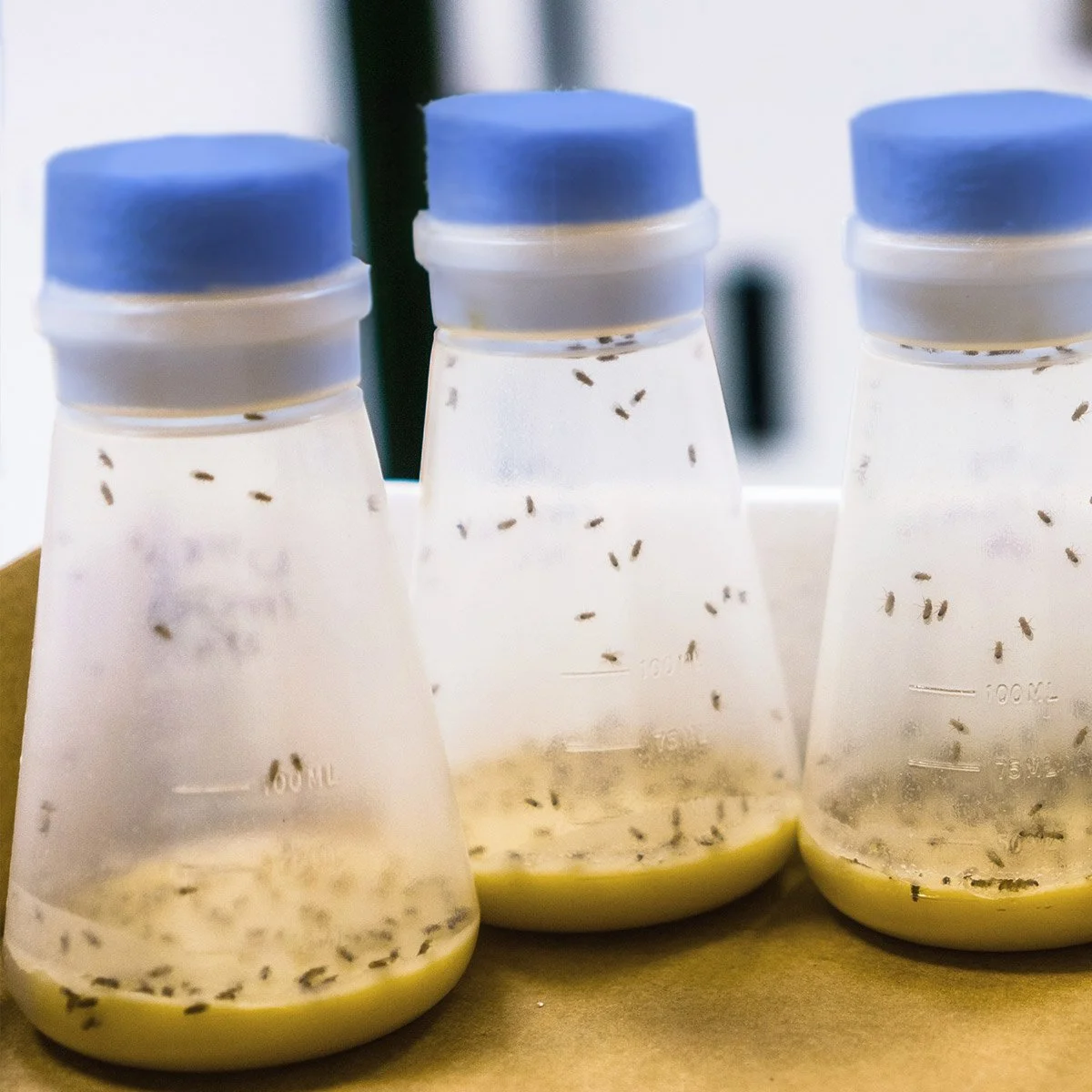
Drosophila researchers around the world have taken steps to green their lab operations while maintaining good laboratory practices. These efforts include preventing material waste, energy conservation, and leveraging the attributes of this model organism to reduce the need for testing in mammalians. We hope you are inspired by the initiatives of these green labs!

Read more →
June 27, 2024
Model Organisms, Reuse strategies, Lab Equipment Tips
De-Fossilizing Lab Plastics
February 13, 2024
Lab plastics
De-Fossilizing Lab Plastics
February 13, 2024
Lab plastics

In life science, it’s often plastic-polluted ecosystems that firm our resolve to limit the environmental impacts of our lab work. Let’s take a moment to recognize a new category of lab plastics as a welcome step forward in sustainability.

Read more →
February 13, 2024
Lab plastics
Green Labs are Removing UV Lamps from Tissue Culture Biosafety Cabinets
December 20, 2023
Cell Culture Tips, Energy Saving
Green Labs are Removing UV Lamps from Tissue Culture Biosafety Cabinets
December 20, 2023
Cell Culture Tips, Energy Saving

UV decontamination lighting has been incorporated into biosafety cabinets for decades, and persistently over-relied on for decades in cell culture work. Green labs are removing UV lamps from biosafety hoods to eliminate risks and save energy. It’s a simple action that overcomes energy waste in the right setting.

Read more →
December 20, 2023
Cell Culture Tips, Energy Saving
Lab signage: How to create clear calls for eco-friendly actions
May 24, 2023
Teamwork, Communications
Lab signage: How to create clear calls for eco-friendly actions
May 24, 2023
Teamwork, Communications

Signage is an important tool for turning lab initiatives into established lab culture. A sign shows the path to sustainability. The types of signs typically used in lab facilities can come in the form of posters, stickers/decals, and digital, or even three-dimensional displays. No matter which format, it’s good to know best practices.

Read more →
May 24, 2023
Teamwork, Communications
How Labs Can Avoid Polluting Waterways (and What to Do Instead)
February 22, 2023
Water Conservation
How Labs Can Avoid Polluting Waterways (and What to Do Instead)
February 22, 2023
Water Conservation

In June 2020, the small town of Merrillville, IN, received a visit from the Indiana Department of Environmental Management (IDEM). Merrillville is home to Microbac, a laboratory that offers analytical testing services for food, environmental, antimicrobial products, and pharmaceuticals. With more than 20 facilities across the United States, they are required to follow local water regulations, in addition to safety data sheets. However, what the IDEM found was not in line with either.

Read more →
February 22, 2023
Water Conservation
Ways that Labs Can Reduce Plastic Packaging Waste
January 30, 2023
Lab plastics, Supply Chain Tips
Ways that Labs Can Reduce Plastic Packaging Waste
January 30, 2023
Lab plastics, Supply Chain Tips

Plastic packaging often gets a bad rap (wrap?). And rightly so — approximately 5.5 million tons of plastic is produced annually in life sciences laboratories. While it provides essential protection and labeling for products, its impact on the environment calls for action. Fortunately, there are ways laboratories can reduce their waste from plastic packaging.

Read more →
January 30, 2023
Lab plastics, Supply Chain Tips
InGreen Science Buildings, Sustainable Lab News, Programs and Logistics TagsMassBio, lab energy, Elias Witman, Boston biotech, Cell Signaling Technology Sustainability, MIT Green Labs, Biogen sustainability, sustainable labs, green labs
  • Blog
  • Older
  • Newer

Get insights on specific green Lab goals

No results found

Join us!

Get monthly articles and green lab tips to your inbox.

Thank you for signing up for monthly articles and green lab tips!


Interact with the Labconscious community


Email us!

How do you make your biology lab more sustainable?


linkedin-unauthyoutube-unauthx-formerly-twitter-unauthbluesky-unauth
  • Terms of Use
  • Privacy Policy
  • About
  • Contact
  • Cookie Policy
 
New England Biolabs
 

240 County Road
Ipswich, MA 01938-2723

Labconscious® is a registered trademark of New England Biolabs, Inc.

© Copyright 2026 New England Biolabs. All Rights Reserved.

Labconscious®

Connecting biologists to green labs and sustainability

Labconscious is an open resource for biologists to support sustainability and green laboratory work to reduce the environmental footprint of bench science.

New England Biolabs | 240 County Road, Ipswich, United States

linkedin-unauthyoutube-unauthx-formerly-twitter-unauthbluesky-unauth