
If you are doing an environmentally friendly life science research project, let us know! If you want to share efforts being made to save energy, prevent waste or use green chemistry, doing laboratory work... let us know! If you are facing local challenges to going green, let us know!
The Labconscious web site is a place for all life scientists to connect on doing sustainable lab work. We are fortunate to be supported by New England Biolabs, a company with a deep cultural support for the natural environment. Therefore we never charge fees for publishing any posts on the site. It's a privilege to share the opportunities that scientists take for environmental and economic efficiency.
We welcome:
Life scientists doing eco-friendly research projects
Helpful reviews of green life science devices by users
Stories about changes to improve resource efficiency
Insight from all university green lab group members
Evidence from lab services that support sustainability
Inside stories from inventors of sustainable lab technology
Help us keep the momentum up for everyone! Please invite Labconscious to cover your sustainable lab work story!
Best wishes on your scientific results!

Thank you!

Since launching a grassroots sustainability initiative in 2020, the Boston Children’s Hospital (BCH) Green Labs program has expanded, helping to save the equivalent of the energy used by 89 homes each day—and reducing lab freezer failures by 68%. What’s behind all the improvements? A compelling “why.”
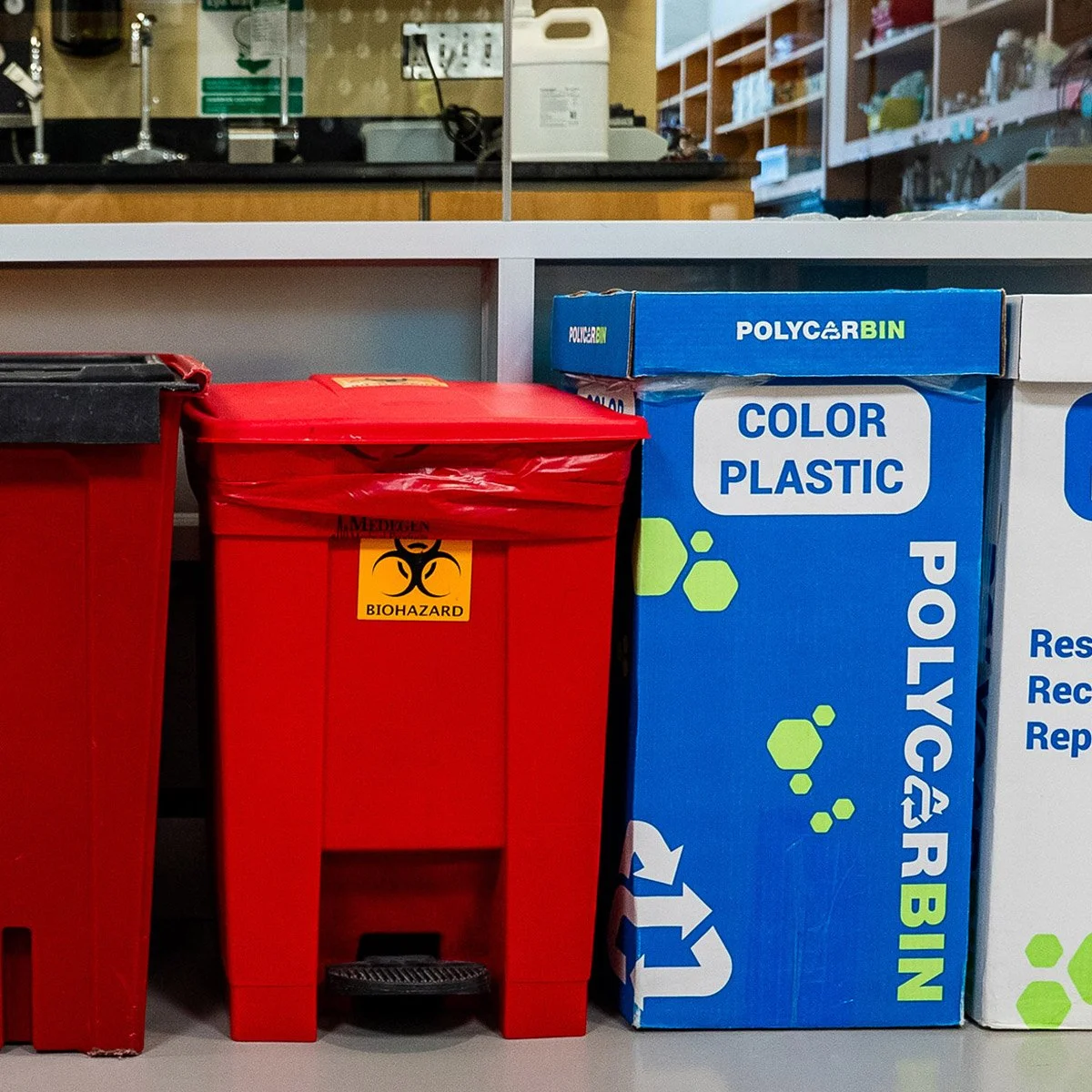
In this interview, NEB sustainability manager, Levi Rogers, shares how taking a closer look at everyday lab workflows can uncover practical, site-specific opportunities to reduce waste—without compromising safety, rigor or productivity. You may find that solutions already exist for your own bench work.
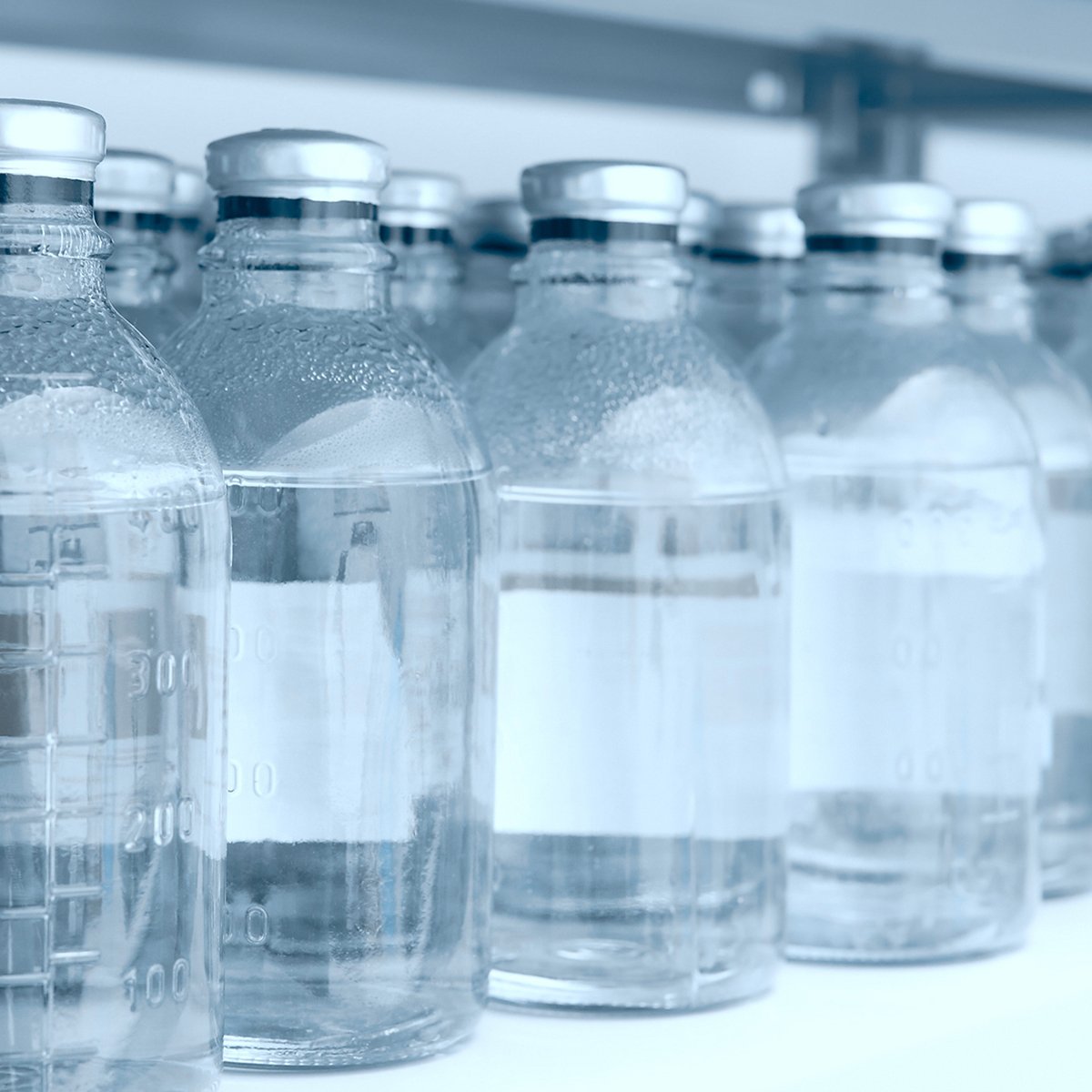
Scientific laboratories prioritize safety, accuracy, and oftentimes, regulatory compliance. Meeting these essential priorities creates an unintended consequence: a large amount of unused, unopened laboratory material quietly becomes waste. This widespread issue calls for an easy-to-use system to put lab surplus back into research use, with significant cost savings. This enables laboratories to do more with less while reducing scientific waste. This is the mission of the Wasteless Bio platform.

Ensilication can flip the script on nature by making biomolecule stocks thermostable, including complex biologics that are not amenable to lyophilization. Eliminating cold storage and transport requirements would boost sustainability for biomedical cold chains, biobanking and labs. Recent advances have made it an exciting new option in the life sciences.
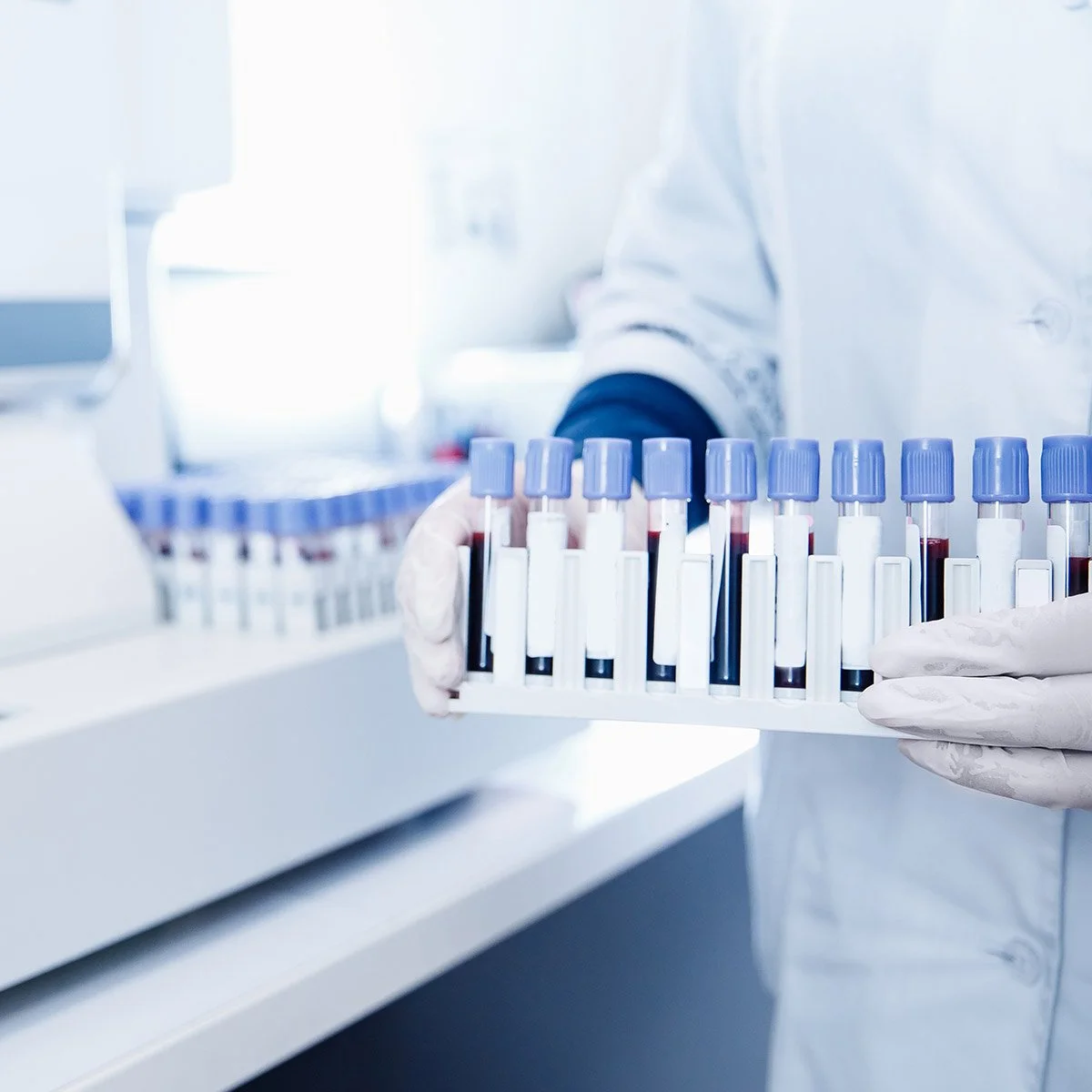
Get an insider’s look at how research and clinical diagnostics are expanded by integrating software, data and robotics, as well as the opportunities “to dial” in workflows for cost and carbon savings.
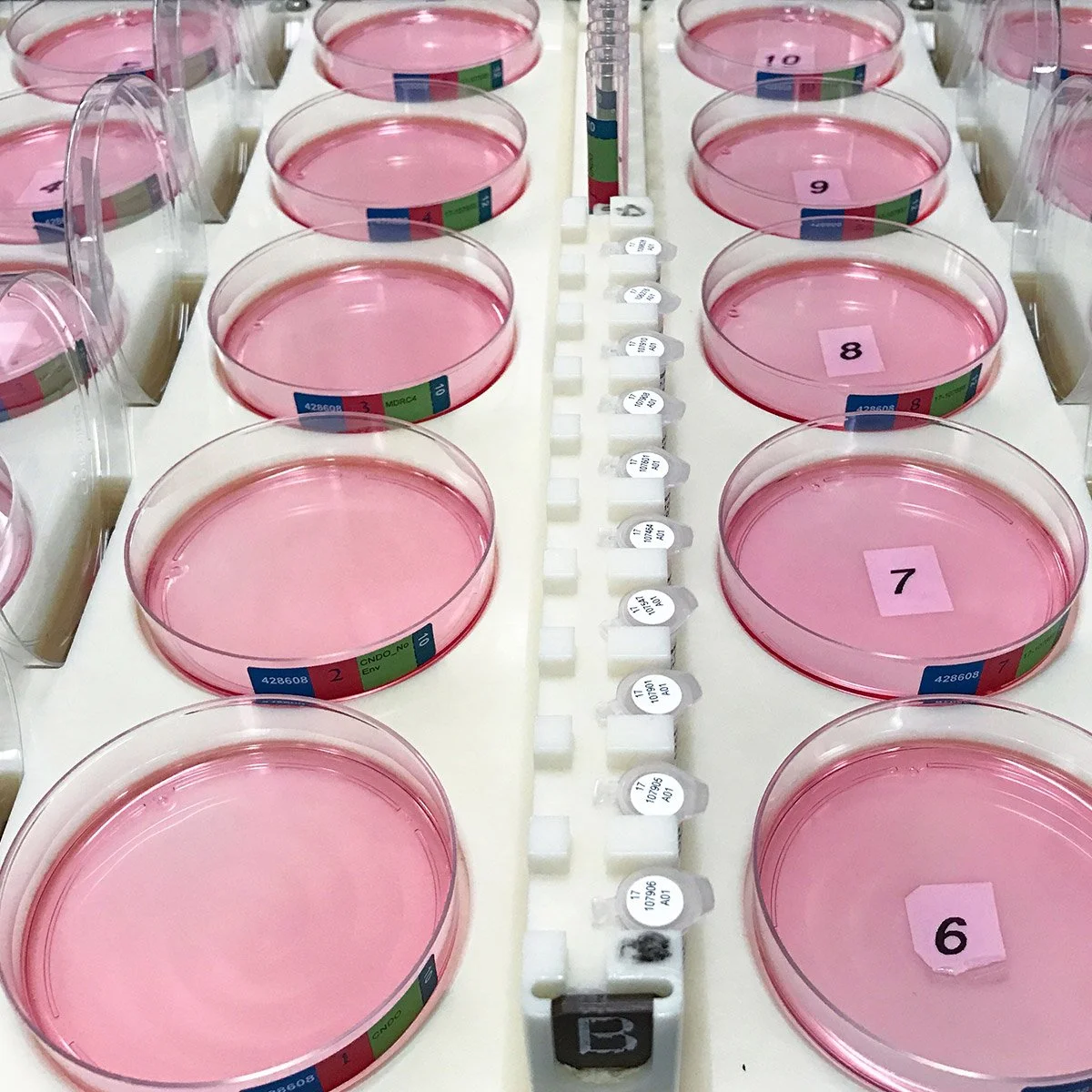
Learn what scientist, Avinash Gill, Ph.D., hopes more people will talk about, as he shares the cutting-edge approaches his team takes to drive the discovery of new medicines, in the first of a three-part series of parallel interviews on strategic lab automation.

Lab automation is one of the most effective accelerators in life science research and development. Learn how biologists are using AI and automation in our parallel interviews with a select group of experts, and then consider joining them at the Future Labs West Summit.

Research that tightly integrates design, build, and test accelerates discovery. Learn about cutting-edge “agent augmented” labs that support scientists with planning, execution, error recovery, and review in this Q&A.
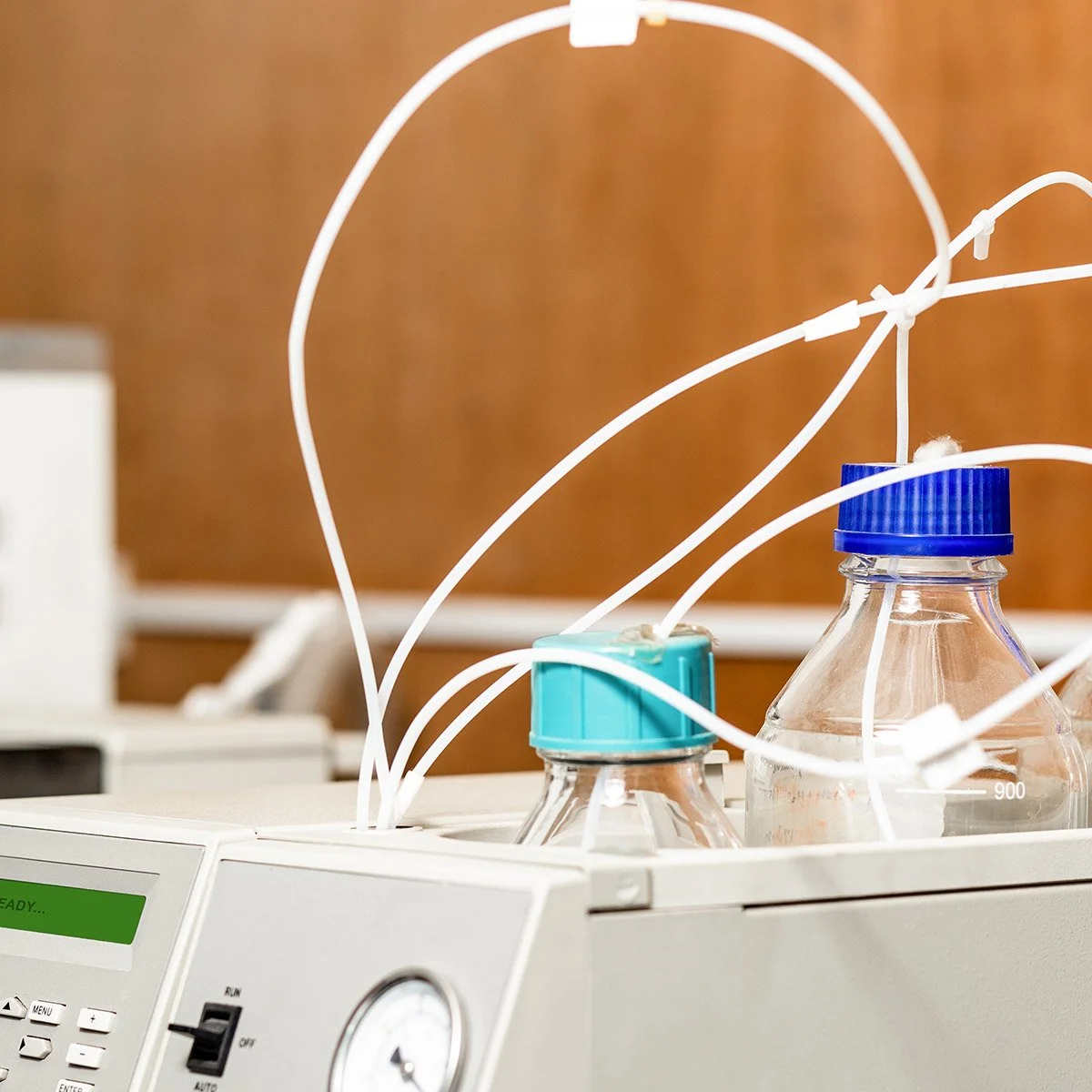
Electronics recycling is having a moment. Can you guess the undercurrent? Much of it is artificial intelligence/AI. Recycling your obsolete lab equipment has always been an act of good environmental stewardship. That’s even truer now that mining is ramping up globally to supply raw materials for AI infrastructure. The increased demand is a call to lean into e-waste recycling services as an eco-friendlier alternative.
Engineering a new material type is impressive; anticipating long-term health and ecosystem impacts of an engineered material takes real foresight. Within the Harvard University system, the Wyss Institute develops improved, nature-inspired materials to solve real-world problems through concerted engineering and scientific R&D, culminating in commercialization.